
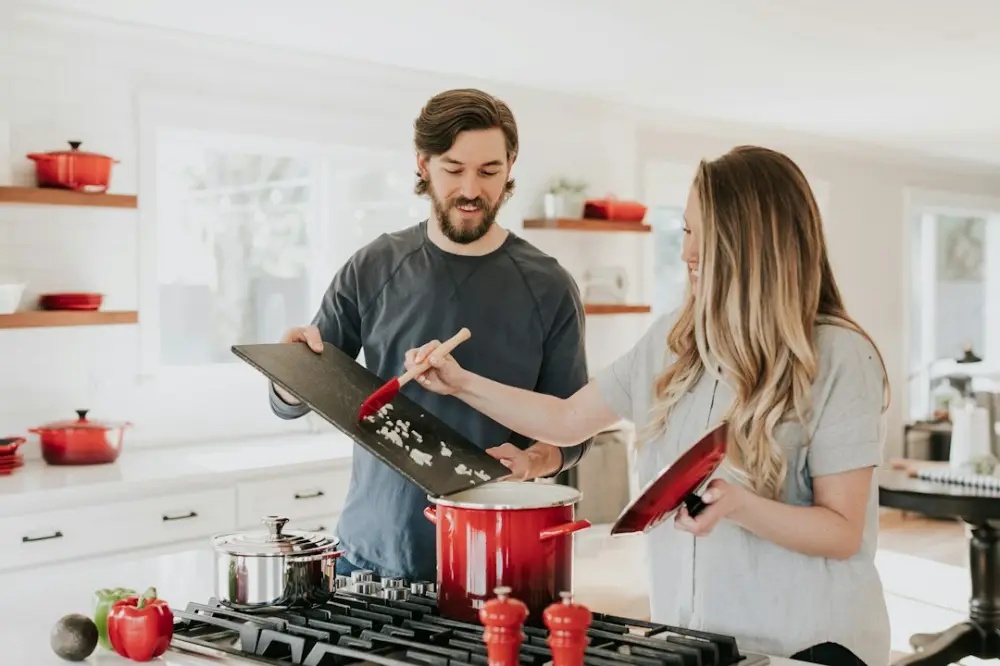
Useful cooking resources are the fundamental tools and equipment that streamline food preparation, improve efficiency, and ensure consistent culinary results. Choosing the right resources involves prioritizing versatility, durability, and ergonomic design, focusing on multi-purpose items like a quality chef's knife or wooden cutting board rather than single-use gadgets that often clutter modern kitchens.
When you start organizing a kitchen, the goal is to reduce friction between your intent and the final plate. A primary essential is anything that allows you to execute basic techniques—chopping, searing, and simmering—without struggle. For instance, a heavy-duty stainless steel mixing bowl is more than just a container; it is a station for marinating, a vessel for.
Criteria for Determining if a Tool is Essential
To decide if a kitchen tool deserves space in your cabinet, apply the rule of versatility. An essential tool should be able to perform at least three different tasks. A cast-iron skillet, for example, can sear a steak on the stovetop, bake a loaf of cornbread in the oven, and act as a press for grilled sandwiches. In contrast, a specialized avocado slicer only does one thing, and often less efficiently than a standard knife.
Durability is the second major criterion. Kitchen environments are harsh, involving high heat, moisture, and acidic ingredients. Resources made from high-quality materials like high-carbon stainless steel, heavy-gauge aluminum, or seasoned cast iron will last decades. Avoid tools with thin plastic handles or complex mechanical parts that are prone to snapping under pressure. If a tool feels flimsy in the store, it will likely fail when you are halfway through prepping a large family meal.
Finally, consider ergonomics. A tool is only useful if it is comfortable to hold. This is particularly true for items you use for extended periods, such as vegetable peelers or whisks. A peeler with a cushioned, non-slip grip allows for better control and reduces hand fatigue, making the preparation of a large batch of root vegetables a much more manageable task.
Selecting an 8-Inch Chef's Knife and Wooden Board
The 8-inch chef’s knife is the workhorse of the kitchen. It is long enough to handle large vegetables like cabbage or butternut squash, yet nimble enough for mincing garlic and shallots. When choosing a knife, look for a "full tang" construction, where the metal of the blade extends all the way through the handle. This provides balance and prevents the blade from breaking away from the grip. A well-balanced knife should feel like an extension of your hand, not a heavy weight you are forced to maneuver.
Pairing a quality knife with the right cutting surface is vital for maintaining the edge of the blade. A thick wooden cutting board, preferably made from maple, walnut, or teak, is the gold standard. Wood has a natural "give" that protects the knife's sharpness, unlike glass or stone surfaces which can dull or even chip a steel edge. Additionally, wood has natural antimicrobial properties that make it a safe choice for food preparation when cleaned and oiled regularly.
Maintenance is a key part of the resource lifecycle. A wooden board requires occasional treatment with food-grade mineral oil to prevent cracking. Similarly, a chef's knife needs regular honing with a steel rod to keep the microscopic teeth of the blade aligned. These small acts of upkeep ensure your primary tools remain reliable for years of creative cooking.
Versatile Cookware for Sautéing and Baking
If you could only own one pan, a 10-inch or 12-inch stainless steel sauté pan with a tight-fitting lid would be the strongest candidate. The wide surface area allows for browning meats without crowding, while the high sides make it possible to toss pasta or simmer a shallow braise. Stainless steel is non-reactive, meaning you can cook acidic ingredients like tomatoes or wine-based sauces without worrying about metallic flavors leaching into the food.
For high-heat tasks and non-stick needs, a well-seasoned cast iron skillet or a high-quality ceramic-coated pan is excellent for eggs and delicate fish. However, for most everyday roasting and baking, the "half-sheet" pan—a standard 13x18 inch rimmed baking sheet—is indispensable. These pans are used for everything from roasting sheet-pan dinners to cooling freshly baked cookies. Because they are made of aluminum, they conduct heat rapidly and evenly, ensuring that your vegetables caramelize rather than steam.
When selecting cookware, pay attention to the thickness of the base. A thin pan will develop hot spots, leading to scorched food. A heavy, encapsulated base (often a layer of aluminum or copper sandwiched between stainless steel) ensures that heat is distributed uniformly across the entire cooking surface, which is essential for understanding taste, texture, and balance in every recipe you attempt.
Essential Spoons and Small Prep Gadgets
Small tools often provide the most significant boosts to kitchen efficiency. A set of metal measuring spoons and a liquid measuring cup are non-negotiable for consistent results, especially when working with leavening agents or potent spices. Beyond measuring, a sturdy wooden spoon is perhaps the most underrated tool in the kitchen. It doesn't conduct heat, it won't scratch your pans, and it is strong enough to scrape the flavorful browned bits (fond) from the bottom of a pot.
Another high-utility item is the microplane or fine rasp grater. While originally a woodworking tool, it has become a kitchen staple for zesting citrus, grating hard cheeses like Parmesan, and turning cloves of garlic into a fine paste. It provides a texture that is difficult to achieve with a knife alone. Similarly, a high-heat silicone spatula is essential for folding ingredients together or ensuring you get every last drop of sauce out of a blender or bowl.
Digital scales have also moved from the "professional only" category into the "essential" category for home cooks. Measuring by weight rather than volume is significantly more accurate, particularly for flour and other dry ingredients. A simple battery-operated scale that can toggle between grams and ounces will improve the consistency of your baking and help you scale recipes up or down with precision.
Professional Advice for Scaling Your Kitchen Tools
As your skills progress, you may find the need to expand your toolkit. The best way to scale is to identify specific bottlenecks in your current process. If you find yourself spending thirty minutes chopping onions for a large batch of soup, a food processor might be a logical next step. If you frequently cook tough cuts of meat, a Dutch oven becomes a valuable investment. The key is to add tools based on your actual cooking habits rather than a perceived need to have a "complete" set.
Professional chefs often rely on the concept of Mise en place, which refers to having all ingredients and tools prepared before cooking begins. To facilitate this, small glass or stainless steel prep bowls (often called ramekins or pinch bowls) are incredibly useful. They allow you to organize your chopped aromatics, measured spices, and liquid components so that the actual cooking process is calm and focused.
Avoid buying pre-packaged "knife blocks" or 20-piece cookware sets. These sets often include filler items—like a serrated utility knife you'll never use or a tiny saucepan that is too small for most tasks—to inflate the price. Instead, buy individual pieces of higher quality. It is better to have three exceptional pans than ten mediocre ones that take up valuable cabinet space and provide frustrating results.
Refining Technique Through Quality Resources
Selecting the right tools is ultimately about creating a path toward better results. When you aren't fighting with a dull knife or a thin, scorching pan, you can dedicate your attention to understanding ingredients through simple dishes. This focus on the basics, supported by reliable equipment, is what transforms a novice into a confident home cook.
Building Your Ideal Culinary Workspace
Creating a functional kitchen is an ongoing process of refinement. It is about finding the balance between having what you need and maintaining an environment that feels open and inviting. When your workspace is cluttered with gadgets you rarely use, cooking feels like a chore. When you have a few highly effective, versatile resources, cooking becomes an act of creativity. You spend less time searching for the right lid and more time focusing on the aromas and textures developing in the pan.
At Fiesta Grill, we believe that the best meals come from a place of experimentation and joy. By selecting tools that feel good in your hand and perform reliably under heat, you build the confidence necessary to try new flavor combinations and techniques. Whether you are perfecting a simple pan-sauce or learning the nuances of heat management, the right resources act as your silent partners in the kitchen. Start with the basics, prioritize quality over quantity, and let your toolkit grow alongside your culinary curiosity.