
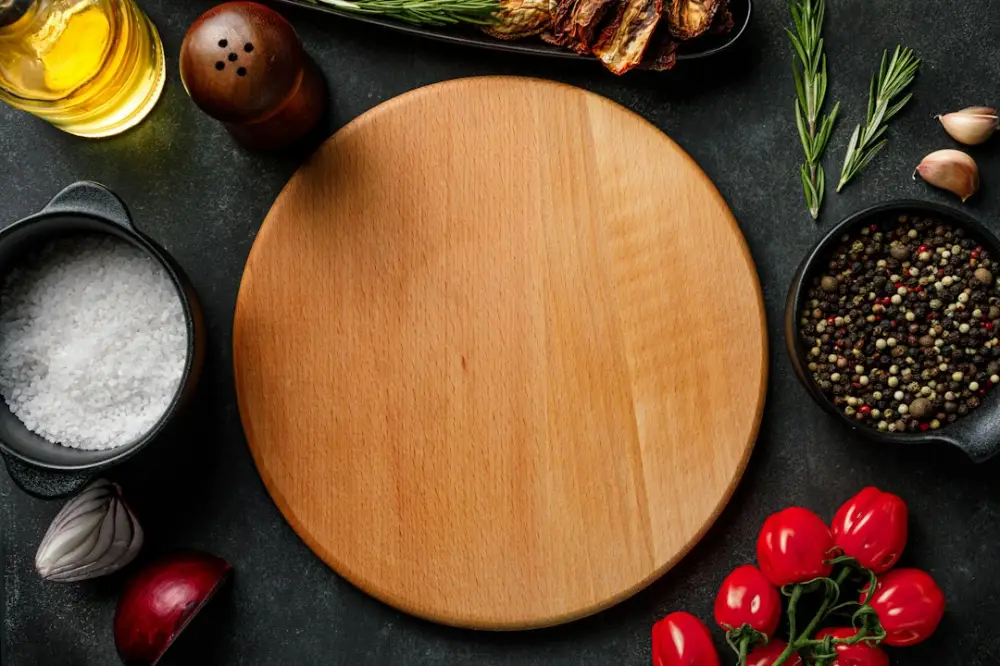
Understanding ingredients through simple dishes involves using recipes with minimal components to observe how individual flavors and textures interact. By stripping away complex techniques, beginners can learn the specific role of each element—like salt, acid, or fat—making it easier to master seasoning, substitution, and heat control before moving on to more advanced culinary challenges.
Starting with a basic vinaigrette or a roasted vegetable allows you to isolate variables. Instead of wondering which of twenty spices is overpowering a dish, you can see exactly how a squeeze of lemon brightens a heavy fat or how a pinch of salt unlocks the sweetness in a root vegetable.
When you cook a complex stew with thirty ingredients, the individual characteristics of the onion, the carrot, or the specific type of peppercorn often get lost in the collective profile. In contrast, a dish like cacio e pepe—which relies almost entirely on pasta, pecorino cheese, and black pepper—forces you to understand the quality and behavior of each item. You learn how the starch in the pasta water emulsifies with the fat in the cheese, and how the toastiness of the pepper changes depending on when it is added to the pan. This transparency is the fastest way to build a mental library of flavor interactions.
Simple dishes also build confidence by reducing the fear of failure. If a three-ingredient salad dressing is too tart, it is easy to identify that you need more oil or a pinch of sugar. If a complex curry is off-balance, the solution is much harder to diagnose. By working with fewer components, you develop a sharper palate and a better sense of understanding taste, texture, and balance in your daily meals.
Anatomy of a Recipe: Essential Components
Every successful dish, no matter how simple, is built on a few essential pillars: fat, acid, salt, heat, and aromatics. Understanding these components in isolation allows you to manipulate them with intention. For example, fat is not just for preventing sticking; it is a flavor carrier. When you sauté garlic in olive oil, the fat absorbs the aromatic compounds of the garlic and distributes them throughout the entire dish. Without that fat, the garlic might burn or remain localized in one bite.
Acid acts as a contrast to fat and salt. In a simple dish like grilled fish, a wedge of lime or a splash of vinegar cuts through the richness of the oils and the char of the grill. It provides a "brightness" that wakes up the palate. Salt, meanwhile, does more than make food salty; it is a flavor enhancer that suppresses bitterness and makes other flavors more pronounced. Even in sweet dishes, a pinch of salt can make chocolate taste more intense or fruit taste sweeter.
Heat is the final transformative element. The way you apply heat—whether it is the dry heat of a cast-iron skillet or the moist heat of a steamer—determines the final texture. A potato becomes crispy and caramelized when roasted at high heat but soft and fluffy when boiled. Learning these distinctions through simple preparations helps you predict how flavor combinations shape everyday cooking and allows you to choose the right tool for the job.
Mastering Prep with Mise en Place
The French term "mise en place" translates to "everything in its place." While it sounds like professional kitchen jargon, it is the most practical tool for a home cook trying to understand ingredients. When you have all your ingredients chopped, measured, and organized before you turn on the stove, you can focus entirely on the transformation happening in the pan rather than rushing to find a grater or a specific spice.
Consider the process of making a simple stir-fry. Because stir-frying happens at high heat and move quickly, you cannot afford to chop ginger while the garlic is already browning. If you are distracted by prep, you might miss the exact moment when the garlic turns from fragrant to bitter. By having your mise en place ready, you can observe the subtle color changes and smell the shifting aromas, which is where the real learning happens.
Effective mise en place involves more than just bowls. It includes:
- Grouping by timing: Place ingredients that go into the pan at the same time in the same container.
- Tool readiness: Ensure your spatulas, tasting spoons, and serving plates are within reach.
- Waste management: Keep a "scrap bowl" on the counter to keep your workspace clear and focused.
Common Recipe Types for New Cooks
For those looking to master the basics, certain categories of recipes offer the best educational value. These dishes are forgiving but highly reactive to small changes, making them perfect for experimentation.
The humble egg is perhaps the greatest teacher in the kitchen. A soft-scrambled egg teaches you about residual heat and the emulsifying power of fats like butter or cream. A fried egg teaches you about the relationship between oil temperature and texture—how to achieve a crispy edge without overcooking the yolk. Because eggs are inexpensive and cook quickly, you can practice these techniques repeatedly until they become second nature.
Roasted vegetables are another excellent starting point. Tossing broccoli or carrots in different oils (like avocado oil vs. sesame oil) or varying the salt levels allows you to see how high heat interacts with natural sugars. You can observe the Maillard reaction firsthand as the vegetables brown and develop a savory, nutty depth that isn't present when they are raw or steamed.
Simple grains, such as rice or quinoa, teach the importance of ratios and liquid types. Cooking rice in plain water versus chicken stock or coconut milk demonstrates how the grain absorbs surrounding flavors and how the starch content affects the final fluffiness or stickiness of the dish.
Steps to Identify and Balance Flavors
Balancing flavors is a skill developed through active tasting. It is not enough to follow a recipe; you must taste the dish at every stage of the process to understand how it evolves. Follow these steps to refine your palate during a simple cooking session:
- Taste the raw or base ingredient: Understand the starting point. Is the tomato sweet or acidic? Is the kale bitter or mild?
- Add salt in increments: Season a small portion, taste it, and compare it to the unseasoned portion. Notice how the flavors become more distinct.
- Identify the missing link: If the dish tastes "flat," it usually needs acid (lemon, vinegar). If it tastes too sharp, it might need fat (oil, butter) or a tiny bit of sugar to mellow it out.
- Check the texture: Is there a crunch? A creamy element? Texture is often the "forgotten flavor" that makes a simple dish feel complete.
- The final adjustment: Just before serving, do one last taste. Heat can dull certain flavors, so you may need a final pinch of salt or a fresh crack of pepper right at the end.
By following this sequence, you move away from guessing and toward an intentional understanding of how ingredients modify one another. Over time, you will find you need recipes less and less because you can "see" the balance of the dish in your mind.
Tips for Modifying Ingredients Safely
Once you understand the role of an ingredient, you can begin to substitute or modify it with confidence. However, modifications should be made with an eye toward the function of the ingredient, not just the flavor. If a recipe calls for lemon juice as an acid, you can safely swap it for apple cider vinegar or lime juice. However, swapping it for orange juice might add too much sugar and not enough acidity, changing the balance of the dish.
When modifying fats, consider the smoke point. If you are searing a steak, you cannot replace high-heat canola oil with extra virgin olive oil without the oil smoking and becoming bitter. Similarly, if you are substituting a dried herb for a fresh one, remember that dried herbs are more concentrated; a general rule is to use one-third the amount of dried herbs compared to fresh.
Texture substitutions require even more care. If a recipe uses toasted walnuts for crunch, you can easily use sunflower seeds or toasted breadcrumbs. But if the walnut is being used for its fat content in a pesto, substituting it with a watery vegetable like celery would ruin the emulsion. Always ask: "What is this ingredient doing for the structure of the dish?" before you swap it out.
Applying Ingredient Knowledge at Fiesta Grill
At Fiesta Grill, we believe that great cooking isn't about the number of ingredients on your counter, but about how well you know the ones you have. By focusing on simple dishes, you strip away the distractions and get to the heart of what makes food delicious. Whether you are perfecting a three-ingredient salsa or learning the exact moment to pull a piece of fish from the pan, these fundamentals are the building blocks of culinary creativity.
The goal of exploring these basics is to give you the freedom to cook without being tethered to a screen or a book. When you understand that a pinch of salt can fix a bitter sauce or that a splash of vinegar can lighten a heavy soup, you become the master of your kitchen. Fiesta Grill is dedicated to sharing these practical tips and flavor fundamentals to help you turn everyday items into something extraordinary. By mastering the simple, you prepare yourself for the complex, ensuring that every meal you create is intentional, balanced, and, most importantly, flavorful.