
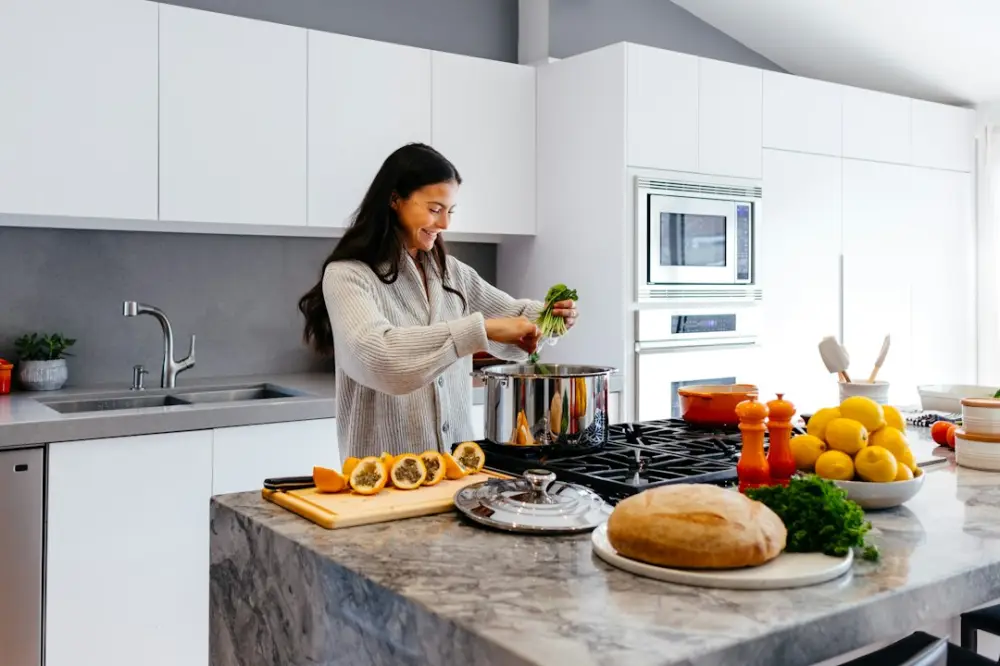
Building confidence in home cooking is the process of gaining self-assurance in the kitchen through practice, repetition, and the mastery of basic culinary techniques. It involves shifting your mindset from fearing mistakes to viewing them as learning opportunities, ultimately allowing you to prepare meals intuitively and creatively without relying strictly on rigid recipes.
Instead of attempting complex multi-course meals, focus on the mechanics of a single pan. By understanding how a stainless steel skillet reacts to heat compared to a non-stick surface, you stop reacting to the food and start controlling the process. This practical focus builds a foundation that makes every subsequent recipe significantly easier to manage.
Why Kitchen Confidence Matters for Beginners
Confidence reduces the significant mental load that often accompanies meal preparation for those just starting out. When you are not tethered to a printed recipe card or a phone screen, you can adapt to what is actually happening in the pan. For instance, if a recipe calls for kale but the grocery store only has Swiss chard, a confident cook knows that a quick sauté with garlic and olive oil will yield a similar, delicious result. This flexibility turns cooking from a stressful chore into a creative outlet.
Furthermore, being confident allows you to cook more efficiently. You begin to recognize the "dead time" in a recipe—those moments when onions are softening or water is coming to a boil—and use them to clean your workspace or prep the next ingredient. This flow prevents the kitchen from becoming a chaotic environment. A beginner who trusts their instincts is less likely to feel overwhelmed when a timer goes off or a guest arrives early, because they understand the basic physics of the food they are preparing.
Building Confidence Through Intentional Repetition
The most effective way to build skill is through intentional repetition. Rather than trying a brand-new recipe every night of the week, pick one versatile dish—such as a basic vegetable frittata or a simple pan-seared chicken breast—and make it once a week for a month. By the fourth time you prepare it, you will notice subtle changes in how the eggs set or how the meat browns based on the heat of your stove.
This process of understanding ingredients through simple dishes allows you to internalize timing and temperature without the distraction of unfamiliar steps. You start to rely on your senses rather than a clock. You listen for the change in the sizzle when moisture has evaporated, or you smell the nuttiness of butter just before it reaches the brown stage. This sensory feedback is the true secret to moving past beginner status; it creates a mental library of successful outcomes that you can draw upon when trying more difficult techniques later.
Essential Techniques to Master First
Focusing on a few high-leverage skills provides the foundation for thousands of different dishes. Mastery of these basics ensures that even the simplest ingredients taste professional.
- Knife Skills: Learn the "claw" grip to keep your fingers safe and the rocking motion of a chef’s knife. Uniform cuts aren't just for aesthetics; they ensure that every piece of carrot or onion in the pot cooks at the same rate.
- Heat Control: Understand the difference between sweating, sautéing, and searing. Sweating uses low heat to soften vegetables without browning them, while searing requires a hot pan to create a flavorful crust on proteins.
- Managing Salt and Acid: Learning when to add a splash of vinegar or a squeeze of lemon can brighten a dull sauce instantly. Salt enhances flavor, but acid provides balance and cuts through richness.
- Mise en Place: This French term simply means "everything in its place." Prepping all ingredients—chopping, measuring, and organizing—before you turn on the stove prevents the panic of trying to mince garlic while your butter is already smoking.
First Steps Toward Kitchen Independence
- Start by dedicating one evening a week to "practice cooking," where the primary goal is to learn how a specific ingredient reacts to heat rather than just finishing a meal.
- The first step in physical preparation is to organize your workspace using the mise en place method, ensuring every component is ready before you ever ignite the burner.
- To begin training your palate, make it a habit to smell every spice and taste every component individually before they are combined in the pan.
- Next, practice your heat management by watching how plain water boils at different dial settings on your stove to identify exactly where your "medium" and "simmer" points truly are.
- Finally, keep a small notebook in the kitchen to jot down one thing you learned after each meal, such as how long it took for your specific pan to brown an onion.
By practicing these techniques on everyday items like potatoes, onions, and eggs, you build the muscle memory required for more complex tasks. For example, once you can comfortably dice an onion and control the heat to caramelize it perfectly, you have already mastered the hardest part of making a classic French onion soup or a rich pasta sauce.
Overcoming the Fear of Kitchen Mistakes
Mistakes in the kitchen are rarely catastrophic. Most "failures" are actually just minor imbalances that can be corrected with a little knowledge. If a tomato sauce tastes too acidic, a small pinch of sugar or a knob of butter can mellow it out. If a soup is accidentally over-salted, adding a peeled, halved potato to simmer for ten minutes can help absorb some of the excess sodium.
Developing a habit of understanding taste, texture, and balance in helps you troubleshoot on the fly. If a dish feels "flat" or uninteresting, it usually needs a hit of acid (like lime juice) rather than more salt. If a sauce is too thin, you can learn to use a cornstarch slurry or a cold butter whisk-in to achieve the right body. When you realize that almost every error has a solution, the fear of "ruining dinner" disappears, replaced by a curiosity about how to fix it.
Consider the scenario of overcooking meat. While you cannot "un-cook" a steak, you can slice it thinly against the grain and serve it with a bright, fatty sauce like a chimichurri or a garlic aioli to add back the moisture and tenderness that was lost. This problem-solving mindset is what separates a confident home cook from someone who feels defeated by a burnt edge.
Sharing Your Culinary Journey with Others
Cooking is fundamentally a social skill. Sharing a meal with friends or family provides a low-pressure environment to discuss what worked and what didn't. When you explain a technique to someone else—such as how you achieved a crisp skin on a piece of salmon—you reinforce your own knowledge. Community feedback is also a great way to discover new flavor combinations you might not have considered on your own.
You might consider joining a local cooking group or simply hosting a casual potluck where everyone brings a dish they are currently practicing. Seeing how others handle similar ingredients can be incredibly validating. It reminds you that everyone is learning and that even experienced cooks occasionally have a batch of cookies spread too thin or a sauce break. These shared experiences turn the kitchen from a place of solitary labor into a space of communal growth and discovery.
Developing a Sustainable Cooking Practice
Building confidence is an ongoing process of exploring flavor fundamentals and trusting your own palate. At Fiesta Grill, the focus is on turning everyday ingredients into something memorable by mastering the basics and experimenting with creative combinations. By moving away from strict measurements and toward sensory-based cooking, you gain the freedom to make each meal your own.
Whether it is learning how to balance spices in a dry rub or perfecting the sear on a simple pork chop, Fiesta Grill provides the practical insights needed to make home cooking a natural, enjoyable part of your daily routine. The goal is not perfection, but rather the ability to walk into a kitchen, look at what is in the pantry, and feel capable of creating something delicious without stress. Keep practicing, keep tasting, and remember that every meal is an opportunity to refine your craft.