
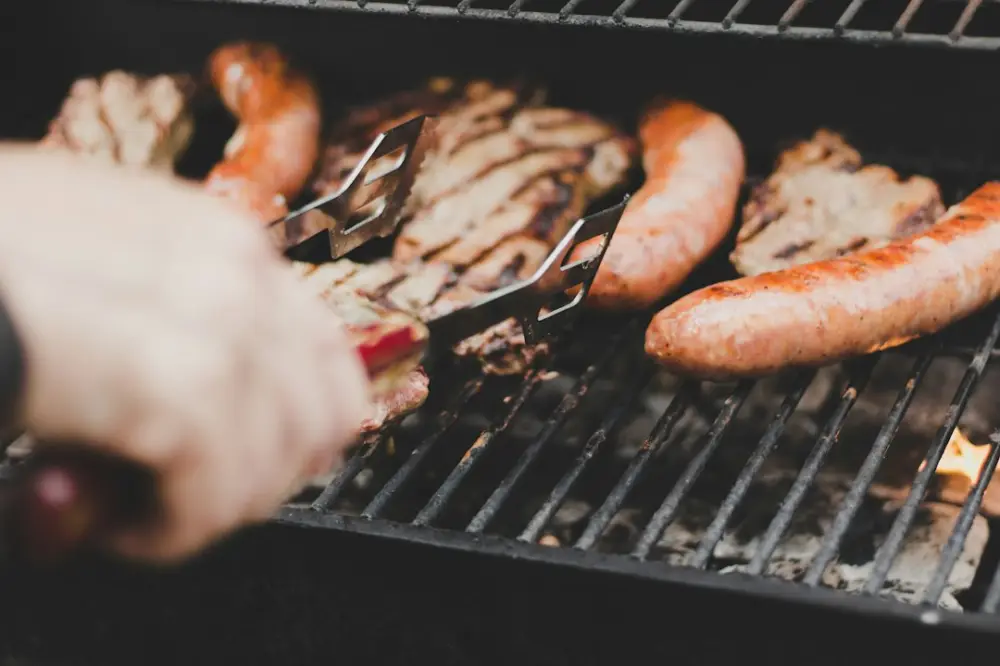
A grilling marinade is a seasoned liquid—typically composed of an acid, oil, and aromatics—used to soak meat, seafood, or vegetables before cooking. This process enhances flavor and tenderizes tougher cuts by breaking down surface proteins, ensuring juicy and flavorful results on the grill during your 2026 backyard barbecue sessions.
While grilling often focuses on temperature and timing, the preparation phase is where the most significant flavor development occurs. Moving beyond simple salt and pepper allows you to experiment with different culinary traditions, turning a standard weeknight dinner into something far more interesting without requiring professional kitchen equipment.
Essential Components of a Great Marinade
To create a balanced marinade, you generally need three primary elements: fat, acid, and flavorings. The oil (fat) transfers fat-soluble flavors into the meat and prevents sticking on the grill grates. The acid, such as citrus juice or vinegar, helps break down tough fibers, though it must be used carefully to avoid making the protein mushy. Mastering the ratio of these ingredients is the first step toward understanding taste, texture, and balance in your home-cooked meals.
Classic Balsamic and Herb Marinade
This is a versatile, pantry-stable option that works exceptionally well with chicken breasts or skirt steak. Combine balsamic vinegar, olive oil, dried oregano, and minced garlic. The sugars in the balsamic vinegar caramelize quickly over the high heat of the grill, creating those desirable dark grill marks and a slightly sweet, tangy crust. It is a reliable choice for 2026 meal prepping because the ingredients are likely already in your kitchen.
Honey Soy Ginger Chicken Marinade
For an Asian-inspired profile, blend soy sauce, honey, fresh grated ginger, and a splash of toasted sesame oil. This marinade is particularly effective for chicken thighs or wings. Because honey has a high sugar content, it can burn if the grill is too hot; it is best to cook the meat over medium heat or move it to a cooler part of the grill once the exterior has browned. The ginger provides a sharp, fresh contrast to the salty soy sauce.
Smoky Chipotle Lime Mexican Marinade
If you want heat and depth, use the adobo sauce from a can of chipotle peppers mixed with lime juice and ground cumin. This combination is a favorite for flank steak or pork tenderloin. The smokiness of the chipotles mimics the flavor of charcoal, even if you are using a gas grill. It creates a robust profile that stands up well to bold side dishes like charred corn or black beans.
Lemon Garlic Oregano Mediterranean Marinade
This marinade is a staple for lamb chops, white fish, or chicken skewers. Use plenty of fresh lemon juice, extra virgin olive oil, and dried Greek oregano. Adding a touch of lemon zest increases the aromatic quality without adding extra acidity. For the best results, let the protein sit for at least two hours to allow the garlic and herbs to penetrate the surface thoroughly.
Yogurt-Based Tandoori Spice Marinade
Yogurt is a unique tenderizer because its lactic acid works more gently than vinegar or citrus. Mix plain Greek yogurt with garam masala, turmeric, and cayenne pepper for a vibrant orange-red coating. This is the traditional way to prepare Tandoori-style chicken. The yogurt creates a thick coating that protects the meat from drying out under intense heat, resulting in a very tender interior.
Pineapple Teriyaki Tropical Marinade
Pineapple juice contains an enzyme called bromelain that tenderizes meat very quickly. Combine it with soy sauce, brown sugar, and garlic for a classic tropical flavor. This works best with pork or tougher cuts of beef. Be cautious with marinating times; if left too long (over 4 hours), the pineapple enzymes can over-process the meat, changing the texture significantly.
Red Wine and Rosemary Steak Marinade
For a sophisticated beef dish, use a dry red wine like Cabernet Sauvignon as your acidic base. Mix it with olive oil, fresh cracked black pepper, and bruised rosemary sprigs. The tannins in the wine help soften the proteins in steaks like ribeye or New York strip. This marinade produces a deep, savory flavor profile that feels elevated yet remains simple to execute in a 2026 backyard setting.
Apple Cider Mustard Pork Marinade
Pork pairs naturally with fruit and mustard. Use apple cider vinegar, Dijon mustard, and a bit of maple syrup or honey. The mustard acts as an emulsifier, keeping the oil and vinegar combined so the marinade coats the meat evenly. This is an excellent choice for thick-cut pork chops, as the vinegar cuts through the richness of the fat while the mustard adds a pleasant tang.
Cilantro Lime Jalapeño Zesty Marinade
This bright, herbaceous mixture is perfect for shrimp or thin cutlets of chicken. Pulse fresh cilantro, lime juice, garlic, and a deseeded jalapeño in a blender with some neutral oil. The result is a vibrant green sauce that doubles as a marinade. Because lime juice is highly acidic, seafood only needs about 20 to 30 minutes in this mixture before it is ready for the grill.
Garlic Butter and Chive Seafood Marinade
While many marinades rely on oil, using melted butter (or a butter-oil blend) creates a richer finish for delicate items like lobster tails or scallops. Whisk together melted butter, minced garlic, and fresh chives. Since butter solidifies when cold, this is best used as a short-term soak at room temperature just before the seafood hits the grill grates.
Coffee Rub Infused Robust Beef Marinade
Strong brewed coffee can act as a surprising and effective marinade base for brisket or tri-tip. The acidity in the coffee works similarly to a mild vinegar, while the roasted notes enhance the natural beefiness of the meat. Mix cooled coffee with brown sugar, chili powder, and salt. This creates a dark, flavorful crust that is particularly impressive for larger roasts cooked over indirect heat.
Miso Maple Glaze Vegetable Marinade
Vegetables like eggplant, zucchini, and portobello mushrooms benefit from umami-heavy marinades. Whisk white miso paste with maple syrup and rice vinegar. Seeing how these flavor combinations shape everyday cooking allows you to swap out ingredients based on what you have in the pantry. The miso provides a salty, fermented depth that makes grilled vegetables feel like a main course rather than a side dish.
Safe Marinating Practices for 2026
Food safety is paramount when working with raw proteins. Always marinate in the refrigerator rather than on the counter to prevent bacterial growth. Use glass, stainless steel, or food-grade plastic bags, as acidic marinades can react with aluminum. If you want to use the marinade as a basting sauce later, set aside a portion before adding the raw meat. If you must use the liquid that has touched raw meat, it must be brought to a rolling boil for several minutes to be safe for consumption.
At Fiesta Grill, we believe that understanding these flavor fundamentals is the key to making every meal memorable. By mastering these twelve marinades, you can transform basic ingredients into creative, delicious dishes that make backyard cooking a highlight of your 2026 routine.