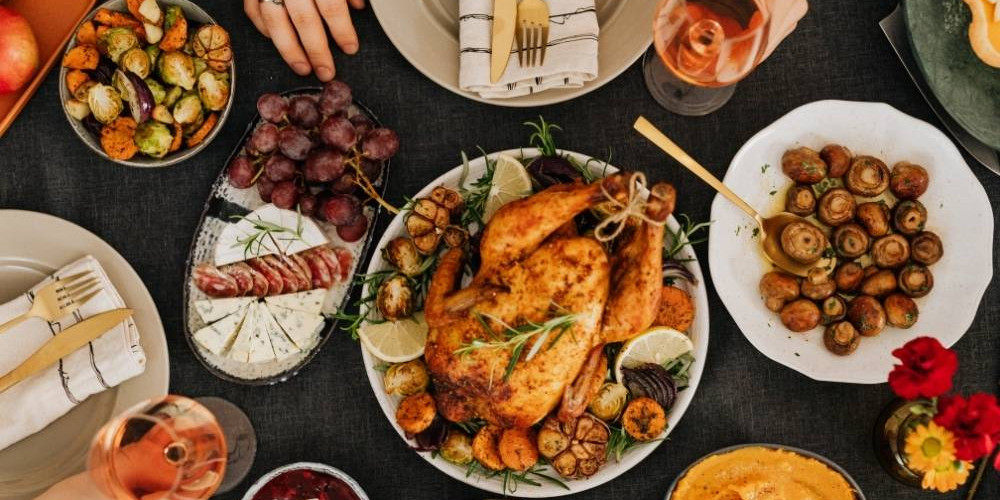
Great cooking doesn’t start with recipes—it starts with understanding flavor. The way ingredients interact determines whether a dish feels flat, balanced, or memorable. Once you understand how flavor combinations work, everyday cooking becomes more intuitive, flexible, and rewarding.
This guide explains how flavor combinations shape daily meals and how anyone can apply them at home.
What Are Flavor Combinations?
Flavor combinations are the relationships between taste elements such as:
- Sweet
- Salty
- Sour
- Bitter
- Umami
Successful dishes balance these elements rather than relying on a single dominant taste.
Flavor is not about complexity—it’s about harmony.
Why Balance Matters in Cooking
Balanced flavors create dishes that feel complete and satisfying.
When balance is missing:
- Food tastes one-dimensional
- Ingredients compete instead of complementing
- Meals feel unfinished
When balance is right:
- Each ingredient enhances the others
- Flavors evolve as you eat
- Dishes feel intentional
Balance is the foundation of everyday cooking.
Classic Flavor Pairings Explained Simply
Sweet + Salty
Examples: grilled corn with salt, caramelized onions, glazed meats
Why it works: salt sharpens sweetness and prevents it from overpowering.
Acid + Fat
Examples: citrus on grilled meats, vinegar in dressings
Why it works: acid cuts through richness and refreshes the palate.
Umami + Heat
Examples: chili with tomato, spice with roasted meats
Why it works: umami deepens flavor while heat adds energy and contrast.
Bitter + Sweet
Examples: charred vegetables, dark chocolate with sugar
Why it works: sweetness softens bitterness, creating depth.
How Flavor Combinations Improve Everyday Cooking
Understanding flavor allows you to:
- Adjust dishes without recipes
- Fix bland or overpowering meals
- Substitute ingredients confidently
- Cook intuitively with what you have
This is especially useful in home kitchens where flexibility matters.
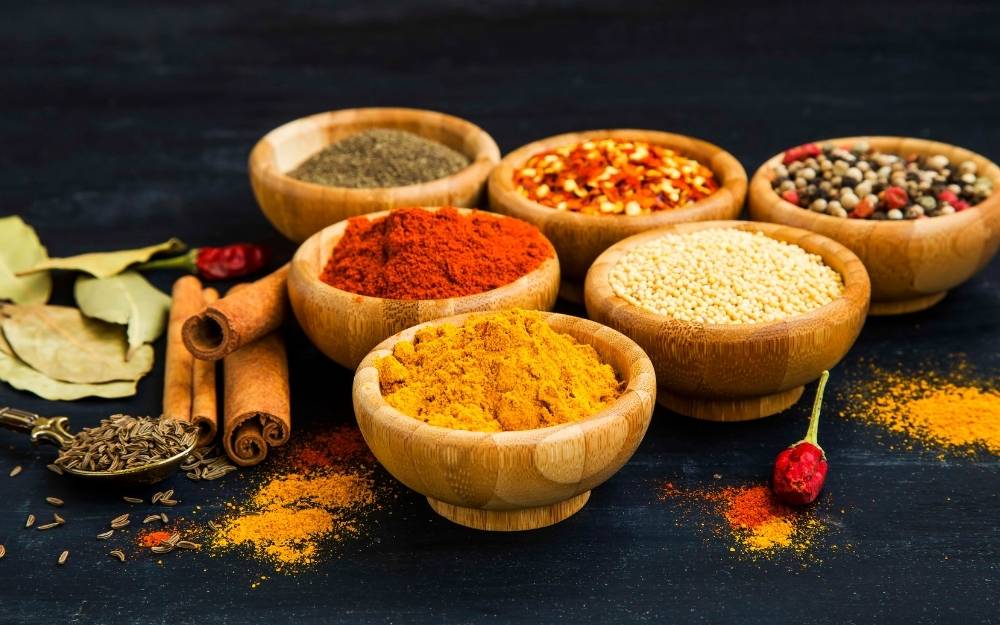
Spices and Herbs as Flavor Connectors
Spices and herbs don’t just add flavor—they connect ingredients.
For example:
- Citrus pairs well with herbs like cilantro or thyme
- Heat is balanced by sweetness or acidity
- Earthy spices enhance roasted or grilled foods
Knowing how spices interact unlocks creative cooking.
Building Flavor Step by Step
Strong flavor develops gradually.
Key moments to add flavor:
- Season early to build depth
- Taste and adjust during cooking
- Finish with acid, herbs, or texture
Cooking is a process, not a single step.
Why Understanding Flavor Creates Better Meals
When cooks understand flavor combinations, they rely less on instructions and more on instinct. Meals become more consistent, adaptable, and enjoyable.
Flavor knowledge turns everyday cooking into confident cooking.
Final Thought
Flavor combinations shape every dish, whether simple or complex. By understanding how tastes interact, anyone can cook better meals with less effort and more creativity. Cooking becomes less about rules and more about balance.
Good flavor is intentional.